General Pest Control
Spiders, crickets, silverfish and stray roaches. Quarterly treatment around the house keeps them outside.
Learn more about general pest »
Scratching in the ceiling at 2 AM. Droppings in the pantry. A chewed bag of dog food in the garage. Rats and mice move indoors in Cedar Hill every fall. Getting rid of them means trapping the ones inside and sealing the openings they used.
Busy season in Cedar Hill: October to January.
A rodent job has three parts, and skipping one is why rats come back. First comes the inspection. The technician goes over the roofline, attic, garage, foundation and utility lines to find how they are getting in and where they are nesting. Rats leave grease marks and droppings that lead right to the openings.
Next is removal. That means snap traps placed along runways in the attic and garage, checked and reset over follow-up visits. Many companies avoid putting poison inside the house because a rat that eats it can die inside a wall. Locked bait stations outside are a different story and are common around the foundation.
Last is exclusion. Every gap gets sealed with materials rodents cannot chew through: hardware cloth, sheet metal, copper mesh and concrete patch. Roof returns, gable vents, AC line penetrations, garage door corners and dryer vents are the usual suspects.
Roof rats are the climbers. They travel along fences, power lines and tree limbs and get into attics through the roofline. If the noise is overhead, it is probably a roof rat. Norway rats are bigger and burrow, so they show up around foundations, sheds and woodpiles. House mice can get into any room through a gap about the size of a dime.
Telling them apart matters because the treatment plan changes. A roof rat problem focuses on the roof and trees. A Norway rat problem focuses on the ground.
Dealing with rats and mice right now?
(469) 286-0478Once the technician confirms the rodents are gone, sealing finishes the job. Our fall rodent prevention checklist walks through what to check around the house.
Cedar Hill has more cover for rodents than most of Dallas County. The cedar brakes on the escarpment, the woods at Dogwood Canyon, the creek corridors that feed Joe Pool Lake and the long greenbelts behind many subdivisions all hold rats and mice through the summer. When the first cool fronts come through in October, they look for warmth, and an attic is the closest thing around.
Mature pecan and oak trees are common in older Cedar Hill neighborhoods. They feed rodents in the fall and give roof rats a bridge straight to the shingles. If a branch touches or hangs over your roof, rats can use it.
The homes themselves have predictable weak spots. Brick veneer houses from the 1980s and 1990s often have gaps where the roof meets the brick at the corners, called roof returns. Garage doors on settled slabs develop gaps at the bottom corners. AC line sets come through the wall with a hole bigger than the lines. Each of those is wide enough for a rat.
Homes along FM 1382 and near the lake also see more field mice in the garage during harvest season on the open land south of town. A thorough inspection here covers the attic, the garage and the outside of the house.
Most jobs take a few weeks of trapping and follow-up visits after the entry points are found. Larger populations or homes with many openings take longer.
Many technicians avoid indoor poison because a rodent can die in a wall and cause an odor problem. Ask on the call how they handle trapping and bait.
Heavy contamination can mean the insulation needs cleanup or replacement. A technician can tell you how much is affected after the inspection.
Yes. If the openings stay open, new rodents follow the same scent trails back in.
Rodent control is available across Cedar Hill and in Duncanville, DeSoto, Lancaster, Grand Prairie, Midlothian, Waxahachie, Oak Cliff, and Mansfield.
Spiders, crickets, silverfish and stray roaches. Quarterly treatment around the house keeps them outside.
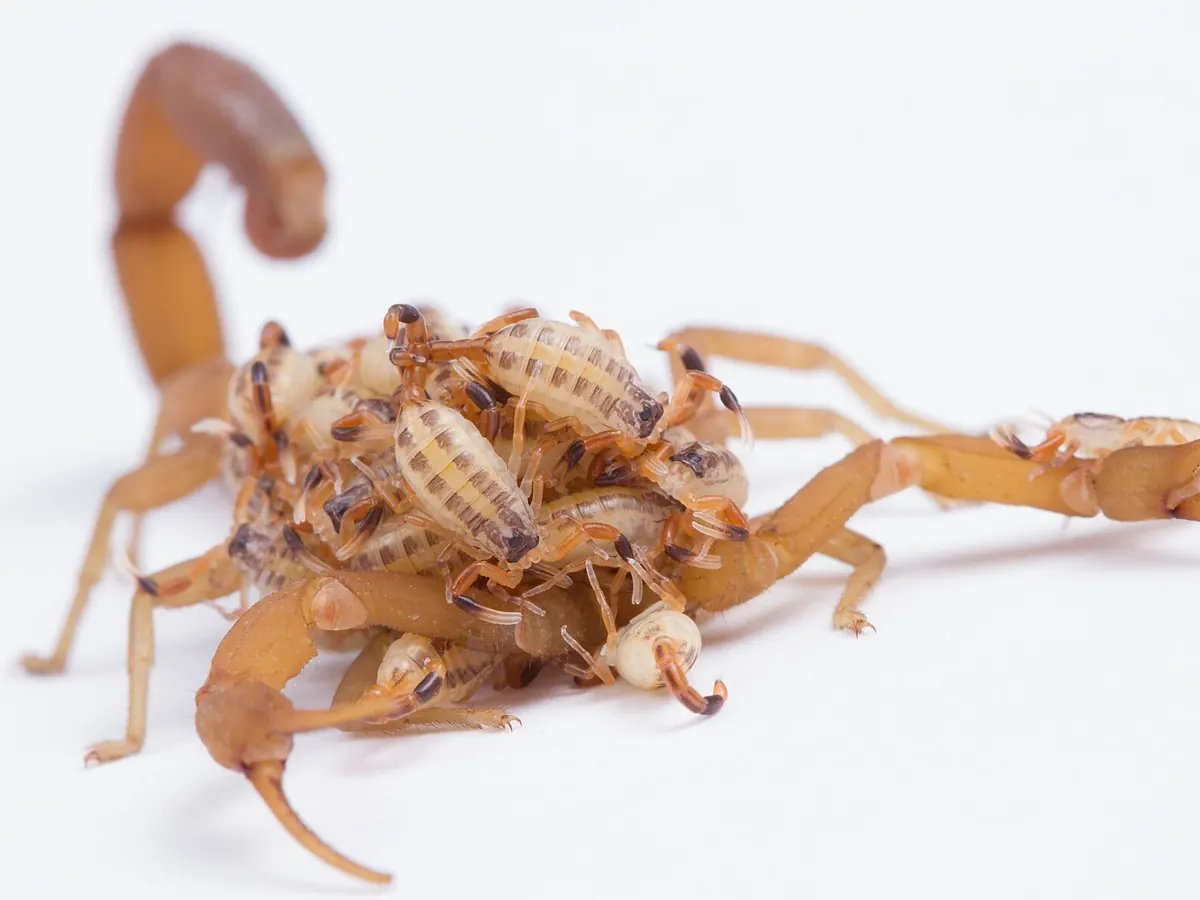
Learn more about general pest »Finding scorpions in the tub or on the walls? Treatment plus sealing weep holes and door gaps.
Learn more about scorpions »Buying or selling? Get a Texas WDI report, or just find out whether termites have reached the house.
Learn more about termite inspection »
Call now to talk to a local exterminator. Same-day service is often available in Cedar Hill.