Mosquito Control
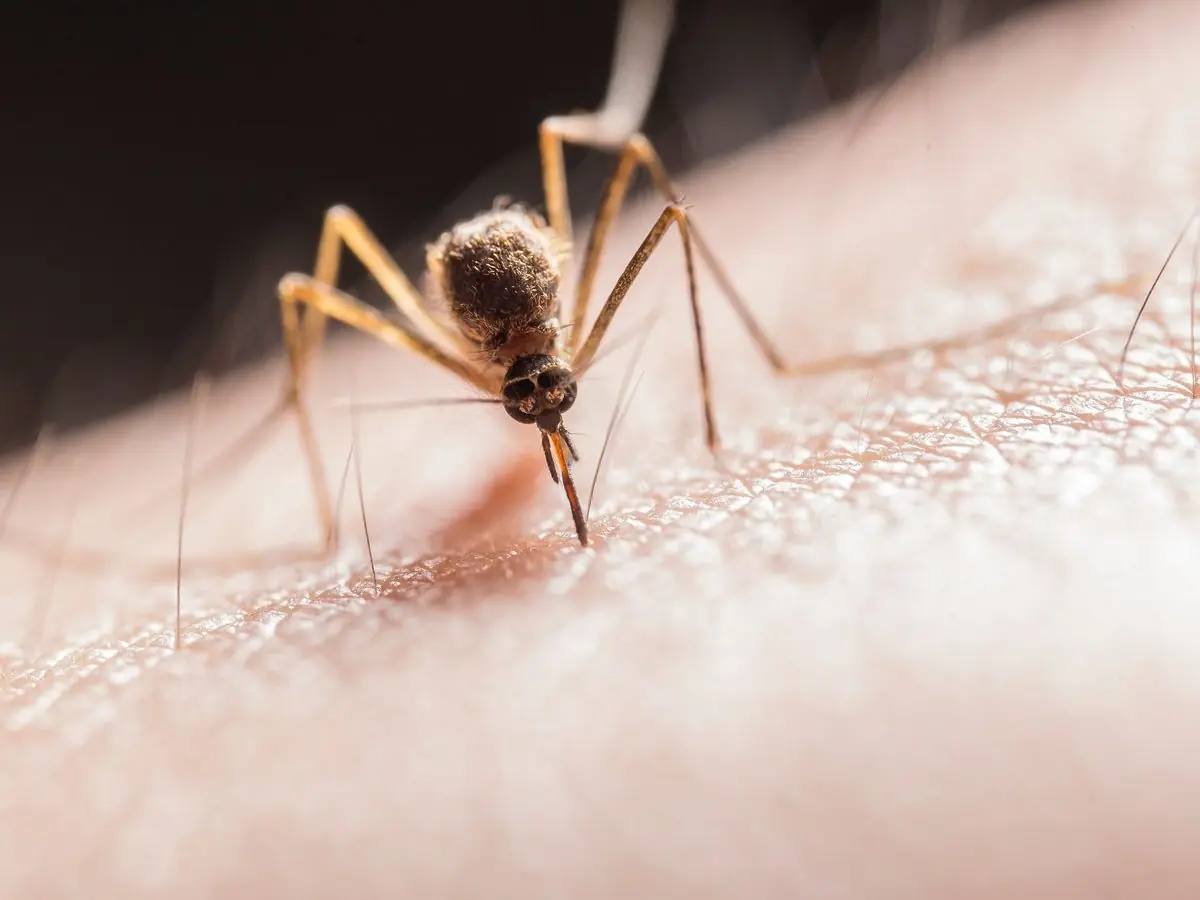
Monthly yard treatments for homes near Joe Pool Lake, creeks and shady greenbelts.
Learn more about mosquitoes »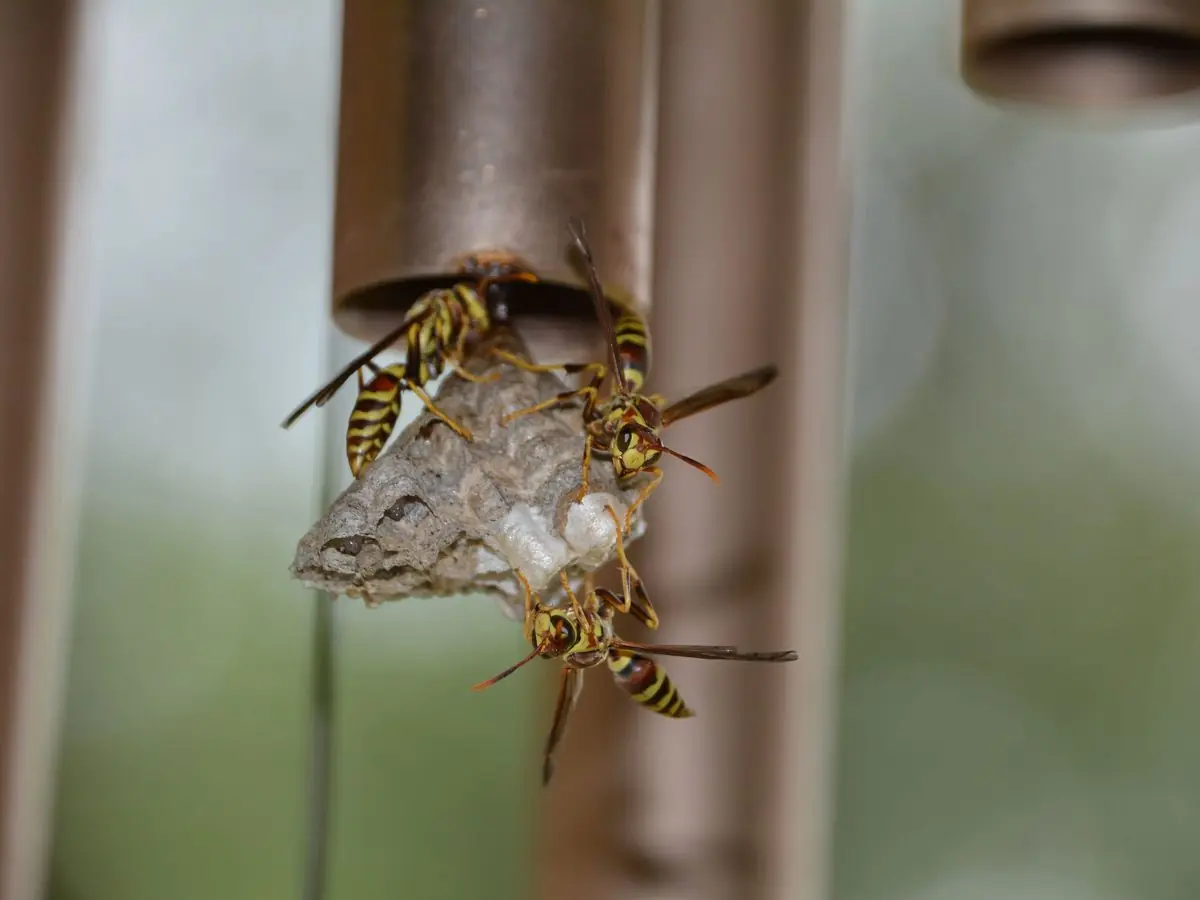
Paper wasps under the eaves, yellowjackets coming out of a hole in the lawn, a nest growing inside the kids' play set. Stinging insects near doors and play areas are worth handling quickly and carefully.
Busy season in Cedar Hill: May to August.
The technician identifies what kind of insect it is, then treats the nest with a product made for stinging insects. Treatment often happens early or late in the day, when most of the colony is home. Once the nest is dead, it gets knocked down and removed, and the spot is treated so new queens are less likely to build there.
Ground nests and nests inside walls take more care. Plugging the hole of a yellowjacket nest in a wall can push them inside the house, so the treatment goes into the opening first.
Paper wasps are the long-legged red or brown wasps that build open, upside-down umbrella nests. They are common on Cedar Hill eaves and porches and will sting to defend the nest. Yellowjackets are short, black and yellow, and nest in the ground or in wall voids. They are more aggressive, especially in late summer. Mud daubers build mud tubes and rarely sting.
Honey bees are different. A honey bee swarm or colony in a wall is often best handled by a beekeeper who can remove the bees alive. Ask about bee removal options on the call if you see bees going in and out of a structure.
Dealing with wasps right now?
(469) 286-0478Cedar Hill's brick homes have deep eaves and covered porches, which red paper wasps love. Queens start small nests in April once the weather warms. By July, a nest that was the size of a quarter can be the size of a dinner plate with dozens of wasps on it.
Yellowjackets get worse late in the season. Their colonies grow all summer, and by August and September, when the food supply drops, they get bolder around trash cans, patios and anywhere people eat outside. Mowing over a ground nest in a Cedar Hill yard is how a lot of people find out it was there.
Homes near the cedar brakes and the woods around the state park see more nests on fences, sheds and deer stands. Families who use the trails at Dogwood Canyon or picnic along the lake should keep an eye on picnic tables and pavilions as well.
Wasp season usually winds down after the first hard cold front in November, when the workers die off and the queens hide for winter. Before then, the nest is active and worth treating.
Small, early nests can be knocked down by some homeowners, but large nests, yellowjacket ground nests and nests in walls carry a real risk of multiple stings. If anyone in the house is allergic, call a professional.
Old nests are not reused, but the same sheltered spot can attract a new queen. Treating the area after removal helps.
Honey bees are often better handled by a beekeeper who can relocate the colony. Ask about options when you call.
Those are usually mud dauber nests. They rarely sting but can be scraped off and the area treated.
Wasp and hornet removal is available across Cedar Hill and in Duncanville, DeSoto, Lancaster, Grand Prairie, Midlothian, Waxahachie, Oak Cliff, and Mansfield.
Monthly yard treatments for homes near Joe Pool Lake, creeks and shady greenbelts.
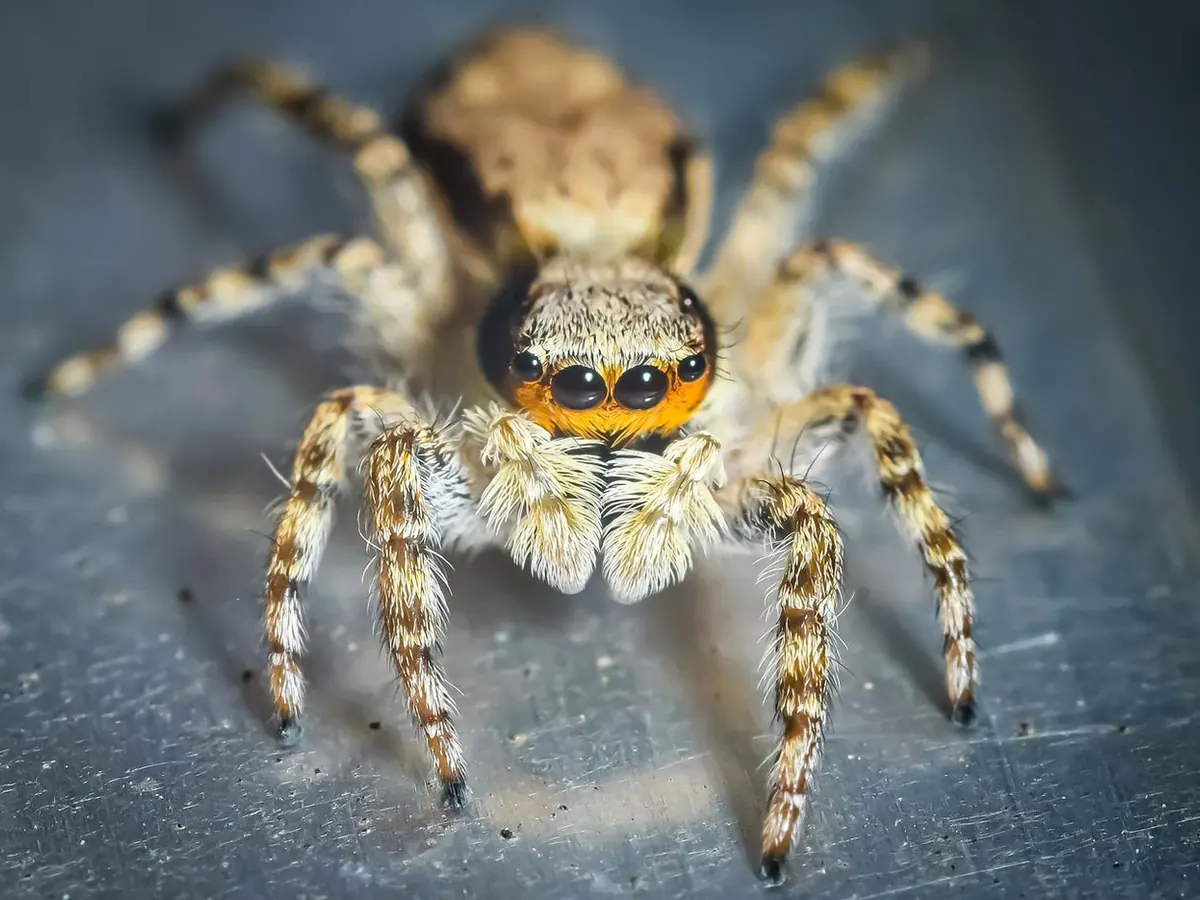
Learn more about mosquitoes »Spiders, crickets, silverfish and stray roaches. Quarterly treatment around the house keeps them outside.
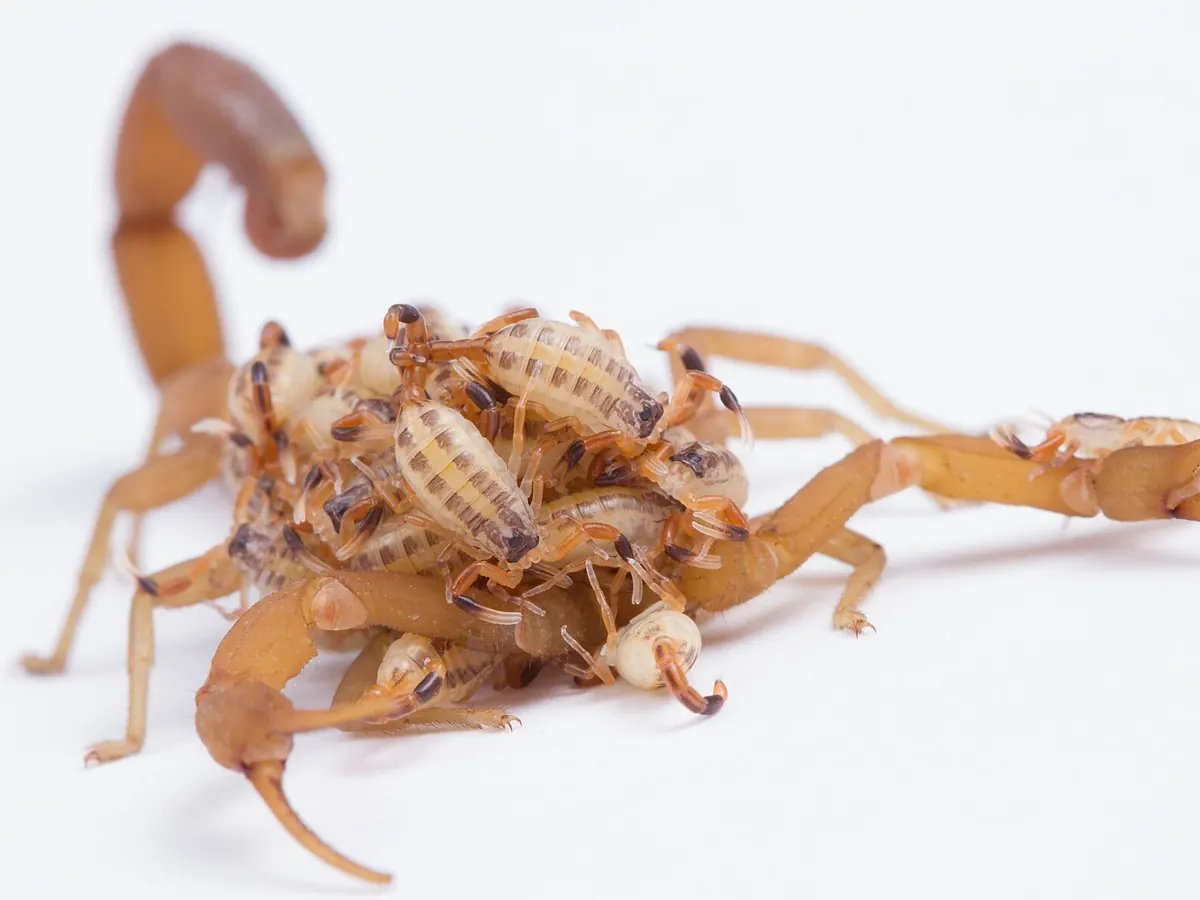
Learn more about general pest »Finding scorpions in the tub or on the walls? Treatment plus sealing weep holes and door gaps.
Learn more about scorpions »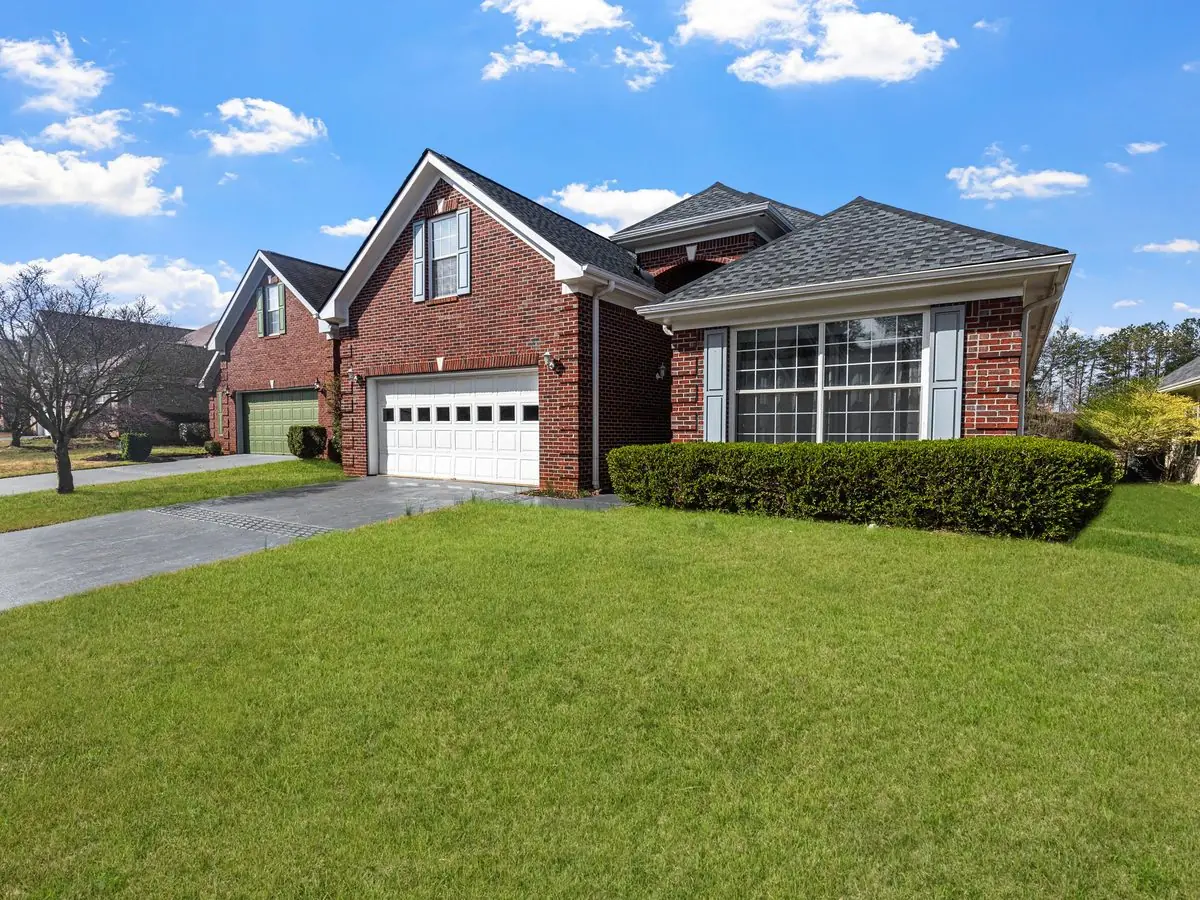
Call now to talk to a local exterminator. Same-day service is often available in Cedar Hill.